
How Canadian Cannabis Enthusiasts Are Paying with Crypto: A 2026 Guide to Bitcoin Casinos, Online Dispensaries, and Digital Currency Trends in Canada
How Canadian Cannabis Enthusiasts Are Paying with Crypto: A 2026 Guide to Bitcoin Casinos, Online Dispensaries, and Digital Currency Trends in Canada

I've been talking to a lot of fellow Canadians lately about how they actually shop, and one thing keeps popping up: more of us are reaching for a crypto wallet instead of a debit card when cannabis or online entertainment is involved. It's 2026, and the overlap between legal weed culture and digital currency has quietly turned into one of the more interesting consumer shifts in the country. Bitcoin, Ethereum, stablecoins — none of that stuff is just for trading anymore. It's showing up at checkout for dispensary orders and powering late-night sessions on gaming platforms. So this guide digs into why that's happening, where Canadians are actually spending their crypto, and what to watch for as the trend keeps moving.
Why Crypto and Cannabis Culture Are Colliding in Canada
Think about it for a second. Cannabis users and crypto enthusiasts have always had more in common than people assume. Both communities grew up outside the mainstream. Both value independence from traditional institutions. And both had to build their own infrastructure, mostly because the old systems weren't exactly rolling out the welcome mat. So it tracks that these two worlds are now merging in practical ways — not just philosophically, but right at the point of sale.
The Privacy Appeal of Digital Currency
Not everyone wants a dispensary purchase sitting on a bank statement, even in a country where cannabis has been legal for years now. Old habits — and personal boundaries around privacy — don't just evaporate because something became legal. Crypto gives buyers a layer of discretion a debit swipe simply can't match. For a lot of Canadians, that's reason enough to switch, even if they're not particularly deep into crypto for anything else in their life.
Banking Barriers in the Cannabis Industry
Here's something that surprises people outside the industry: cannabis businesses in Canada have dealt with banking headaches for years. Some financial institutions have stayed hesitant about working with cannabis-related merchants, citing compliance risk or reputational concerns — even post-legalization. That friction pushed plenty of dispensaries, and their customers, toward alternative payment rails. Crypto filled a gap traditional banking left wide open.
Crypto Adoption Trends Among Canadian Consumers in 2026
The numbers this year back up what I've been seeing anecdotally. Crypto ownership among Canadians has climbed steadily, with younger demographics — roughly ages 18 to 35 — leading the charge. This group isn't necessarily buying Bitcoin to hold for retirement. They're using it the way previous generations used cash or prepaid cards: for everyday, recreational spending. Stablecoins especially have gained traction, mostly because they sidestep the volatility worries that scared off earlier adopters. Splitting a bill, subscribing to a streaming service, placing an online order — digital currency has moved from novelty to normal for a growing slice of the population.
Online Dispensaries Embracing Digital Payments
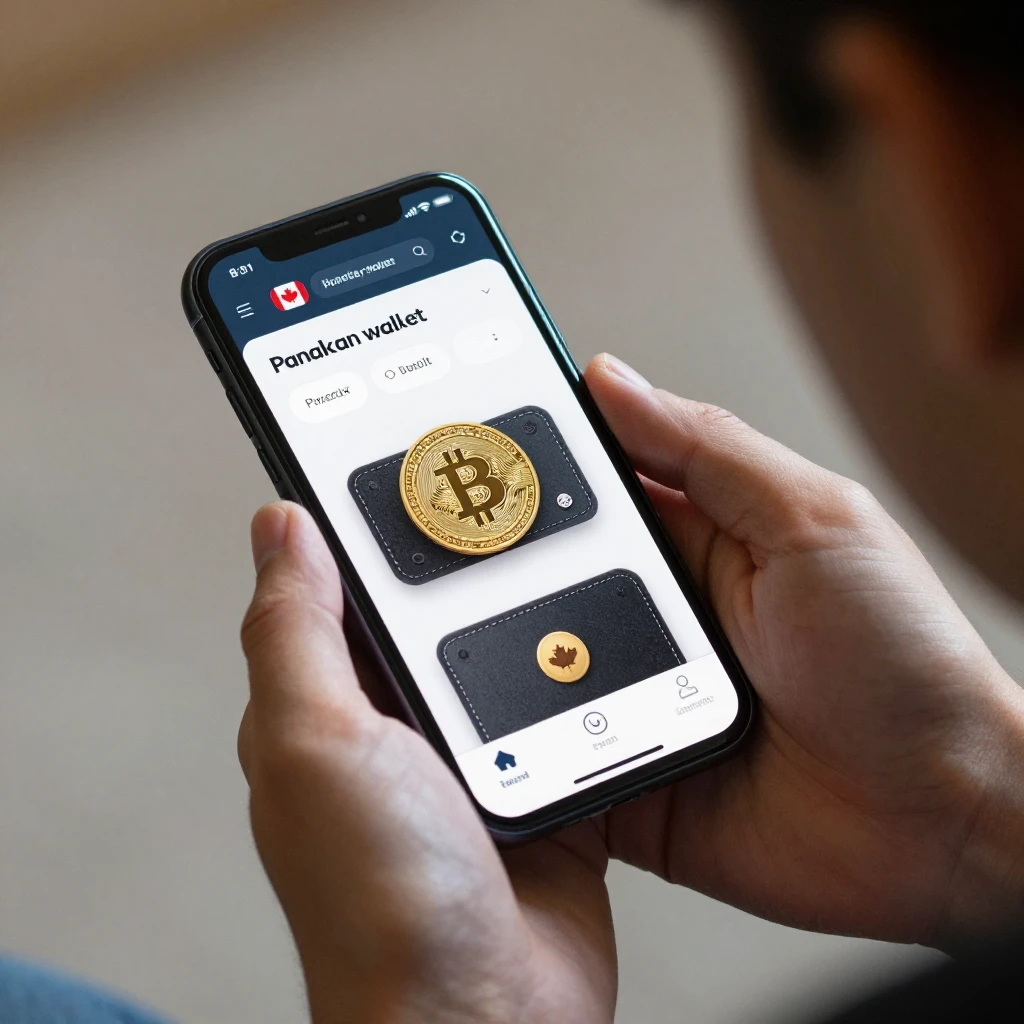
Online dispensaries across Canada have taken notice, and it's not just a gimmick. Many have added crypto payment gateways alongside the usual options, and there are real operational perks behind it. Transaction fees tend to run lower than card processing fees. Checkout moves faster since there's no bank authorization delay to wait through. And customers appreciate the added anonymity, for what it's worth. This mirrors a broader shift happening across e-commerce generally — decentralized finance tools getting woven into everyday retail instead of staying locked inside niche trading platforms.
What to Look for in a Crypto-Friendly Dispensary
Before loading up a cart and sending crypto, it's worth doing a bit of homework. Here's what I always check:
- Proper licensing — confirm the dispensary operates legally under provincial or federal cannabis regulations.
- Secure payment processing — look for established crypto payment processors rather than sketchy direct-wallet transfers to unknown addresses.
- Product transparency — lab testing results, clear sourcing, and accurate labeling matter just as much as the payment method.
- Genuine customer reviews — check multiple sources, not just testimonials sitting on the dispensary's own site.
The Rise of Bitcoin Casinos Among Canadian Crypto Users
Interestingly enough, the same crowd exploring crypto for cannabis purchases tends to overlap heavily with people experimenting with online entertainment platforms. Bitcoin casinos have surged in popularity across Canada this year — and honestly, it's not hard to see why. Instant payouts. Provably fair mechanics. Zero reliance on sluggish traditional banking rails. All of that makes the whole experience feel smoother, more modern, less like dealing with a bank at all. For Canadians curious about navigating this crossover between cannabis culture and crypto-powered entertainment, resources like bitcoin casinos offer a decent look at how digital currency is reshaping recreational spending habits well beyond dispensary purchases. It's part of a bigger pattern, really — once people get comfortable using crypto for one type of discretionary spending, they tend to branch out into others.
Risks and Considerations When Paying with Crypto
None of this comes free of caveats, though. Price volatility is still a real concern — the value of Bitcoin or Ethereum can shift noticeably between the moment you load your wallet and the moment you actually spend it. Regulatory uncertainty lingers too, since crypto payment rules can shift and evolve faster than most people bother tracking. And scams targeting crypto users? Still common, especially around unlicensed platforms dangling unrealistic bonuses or guaranteed returns. The golden rule I stick to: only transact through reputable, licensed platforms, and never send funds to an address you haven't independently verified yourself.
Staying Compliant with Canadian Regulations
Health Canada and provincial cannabis authorities still set the rules around how cannabis can legally be sold — that doesn't change just because crypto entered the picture. Always verify a dispensary is operating within the bounds of its provincial licensing before purchasing with any payment method, digital currency included. Compliance protects you just as much as it protects the business.
Tips for Safely Using Crypto for Cannabis and Entertainment Purchases
A few habits have served me well over time, and I'd pass them along to anyone just getting started:
- Use a secure, reputable wallet rather than leaving funds sitting on an exchange.
- Enable two-factor authentication everywhere it's offered — no exceptions.
- Research platform reputation thoroughly before committing larger amounts.
- Start with small transactions to get comfortable with the process before scaling up.
- Keep private keys and recovery phrases offline, and never share them with anyone.
Conclusion
Crypto is quietly reshaping how Canadians handle both cannabis purchases and online entertainment, and 2026 feels like something of a turning point — the behavior's moved from fringe experimentation to mainstream habit. The appeal is clear enough: privacy, speed, and independence from a banking system that hasn't always played nice with cannabis commerce. That said, informed and cautious adoption still matters more than people give it credit for. As stablecoins mature and more platforms build out compliant, secure payment infrastructure, I'd expect this trend to keep gaining ground through the rest of the year and well into whatever comes after it.