
How Canadian Online Entertainment Trends Are Shaping Creative Industries in 2026: From Photography to Bitcoin Casinos
How Canadian Online Entertainment Trends Are Shaping Creative Industries in 2026: From Photography to Bitcoin Casinos
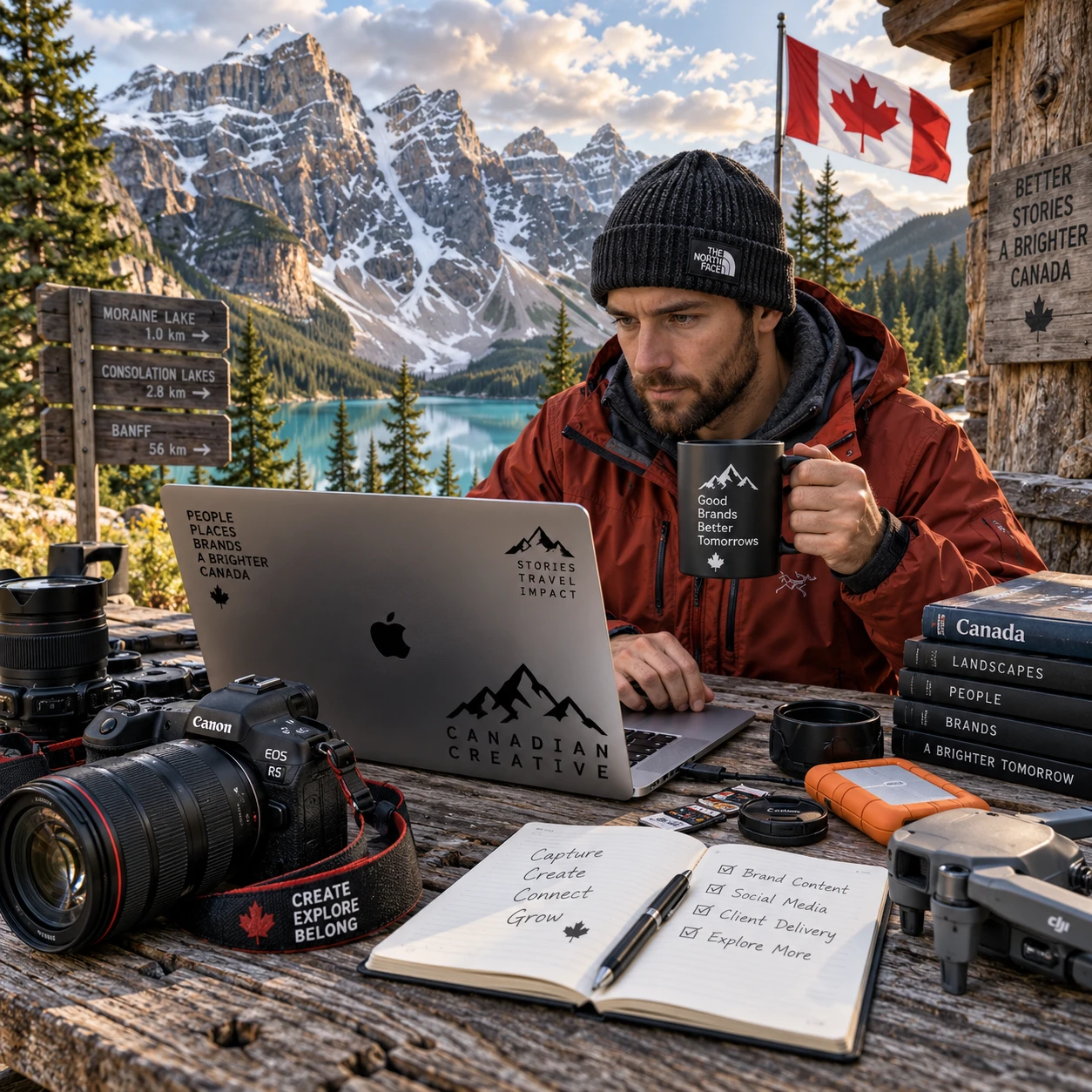
I've spent most of this year talking to photographers, designers, and content creators across Canada, and one thing keeps coming up over and over: the line between 'traditional' creative work and online entertainment has basically dissolved. Gone. In 2026, if you're a visual artist in this country, odds are decent that at least one of your clients operates somewhere in the digital entertainment space — streaming, gaming, or, increasingly, crypto-based platforms. This isn't some niche trend anymore. It's turning into the new normal, and it's quietly rewriting how Canadian creatives build their careers.
What I want to dig into here is how this shift happened, why photography specifically found such an unexpected home in the entertainment economy, and what it actually means for creatives trying to stay relevant — and paid — in a landscape that looks nothing like it did five years back.
The Rise of Digital-First Entertainment in Canada
Canadians have always been quick to adopt new digital habits, but 2026 feels like an actual tipping point. Streaming services own the evenings now. Mobile gaming has become a lunch-break ritual for millions of people. Esports viewership keeps climbing year over year, no sign of slowing. And alongside all of that, online casinos — particularly the ones built on blockchain infrastructure — have carved out a surprisingly large audience, especially among younger, urban Canadians who care about speed and privacy when they're moving money around.
This explosion in digital consumption created a parallel demand: brands in these spaces need content. Lots of it. High-quality visuals, authentic branding, social assets, promotional photography — it's a whole ecosystem of creative work that just didn't exist in this form a decade ago.
Why Canadian Audiences Are Going Digital
Part of it comes down to infrastructure, honestly. Canada's broadband and mobile networks have matured to the point where streaming 4K content or playing live-dealer games on your phone during a commute is just... normal now. Add in post-pandemic lifestyle habits that never fully went away, and you end up with a population that treats digital entertainment as the default, not the alternative.
Photography's New Role in the Entertainment Economy
Here's where it gets interesting for people like me who've built careers behind the lens. Photographers aren't just shooting weddings, portraits, or corporate headshots anymore. Digital entertainment brands — gaming platforms, lifestyle apps, streaming services — are actively hunting for photographers who can produce imagery that feels real, relatable, nothing like generic stock photography.
I've watched small, previously niche photography studios pivot entirely to serve this market. They're shooting lifestyle content for gaming lounges, building branded imagery for app launches, producing that polished-but-human look these platforms need to earn trust from skeptical audiences. It's a lucrative pivot, and frankly, it makes sense. These companies have marketing budgets that rival traditional industries, and they get the value of good visual storytelling.

Online Gaming and the Growth of Bitcoin Casinos in Canada
One of the more interesting corners of this whole ecosystem is the rise of cryptocurrency-based gambling platforms. Canadian users are increasingly drawn to bitcoin casinos for reasons that go beyond novelty — faster withdrawals, borderless transactions, and a level of privacy that traditional online casinos just can't match. For a lot of players, it feels more modern. More in step with how they already handle money digitally.
What's less obvious, though, is how much these platforms lean on visual branding to earn trust in the first place. Crypto gambling still carries a certain stigma, so operators pour money into professional imagery, clean design, and content that feels authentic — anything to separate themselves from the sketchy, fly-by-night sites. This is exactly where creative professionals come in. I've talked to photographers whose portfolios now include campaign work for digital entertainment clients, and it's not uncommon for studios like Laura Taylor Photography to adapt their offerings specifically for this growing niche — shooting lifestyle and branding content that helps these platforms look legitimate, approachable, trustworthy to a Canadian audience.
How Creative Industries Are Adapting to New Entertainment Trends
The ripple effect here goes way past photography. Freelance designers, video editors, copywriters, social media strategists — they're all pivoting toward tech-adjacent clients because, let's be real, that's where the budgets are sitting right now. iGaming companies, streaming platforms, and crypto brands tend to pay well for solid creative work, and they need a constant stream of fresh content just to stay competitive.
I know several designers who've basically rebuilt their entire client base around this sector in the past eighteen months. It's not that traditional clients vanished — it's that this new market opened up alongside everything else, offering a kind of diversification a lot of creatives desperately needed after a few lean years.
Skills Canadian Creatives Need in 2026
If you're thinking about stepping into this space, there's a learning curve, no way around it. You need at least a working understanding of how crypto-friendly branding differs from conventional marketing — tone, visual language, even color psychology tends to skew differently here. Digital literacy matters too. Knowing how content performs across platforms, understanding algorithm-driven visibility, being comfortable with fast turnaround times — all of that is part of the job now, whether you like it or not.
Visual storytelling remains the core skill, though. The brands that actually succeed in this space are the ones that feel human, not corporate. And that's exactly the kind of work photographers and designers have always specialized in — it just needs to be pointed at a newer, less traditional set of clients.
Opportunities and Challenges for Canadian Creative Professionals
There's real upside here. These niche clients often pay better than traditional retail or hospitality gigs, and the work tends to be creatively interesting — plenty of room to experiment with lighting, composition, mood. For creatives tired of saturated markets like wedding photography or standard commercial work, this feels like fresh air. A reset, almost.
That said, it's not without complications. Regulatory uncertainty around crypto gambling in Canada makes some creatives hesitant about tying their brand too closely to this industry — fair enough, I'd think twice too. There are legitimate ethical questions worth sitting with as well. Gambling, even in its digital crypto form, carries real risk for vulnerable users, and creatives working in this space should think carefully about which clients they take on and how they choose to portray these platforms.
- Higher-paying niche contracts compared to saturated traditional markets
- Opportunity to build a specialized, tech-forward portfolio
- Uncertain regulatory landscape around crypto-based entertainment
- Ethical considerations tied to gambling-adjacent branding work
What's Next for Canada's Creative-Entertainment Crossover
Looking ahead, I think we'll see even deeper integration between creative fields and digital entertainment. AI-assisted content creation is already changing how fast brands can produce visuals, but — and this is the part people miss — it's also creating more demand for human photographers who can add the kind of authenticity that AI-generated imagery still struggles to fake. Crypto integration will probably deepen too, with more entertainment platforms adopting blockchain payment systems as Canadian users keep favoring speed and privacy over whatever 'traditional' used to mean.
I expect more formal collaborations between traditional creative studios and digital entertainment brands going forward — less 'freelance gig here and there,' more long-term branding partnerships. It's a natural evolution. And honestly? It's genuinely exciting to watch unfold in real time.
Conclusion
Canada's entertainment landscape in 2026 is proving to be a genuine catalyst for creative industries, not just some passing trend. Photography, once confined to weddings and portraits, has found a surprisingly natural home in branding for gaming platforms, streaming services, and yes — bitcoin casinos. The creatives thriving right now are the ones willing to adapt: learning new client languages, embracing digital-first thinking, staying open to industries that didn't even exist as viable markets a few years ago. If there's one lesson in all of this, it's that adaptability isn't optional anymore for Canadian creatives. It's the whole game.