
How Canadians Are Using Bitcoin to Pay for Travel in 2026: A Guide to Booking Flights, Tours, and a Bitcoin Casino Getaway Online
How Canadians Are Using Bitcoin to Pay for Travel in 2026: A Guide to Booking Flights, Tours, and a Bitcoin Casino Getaway Online
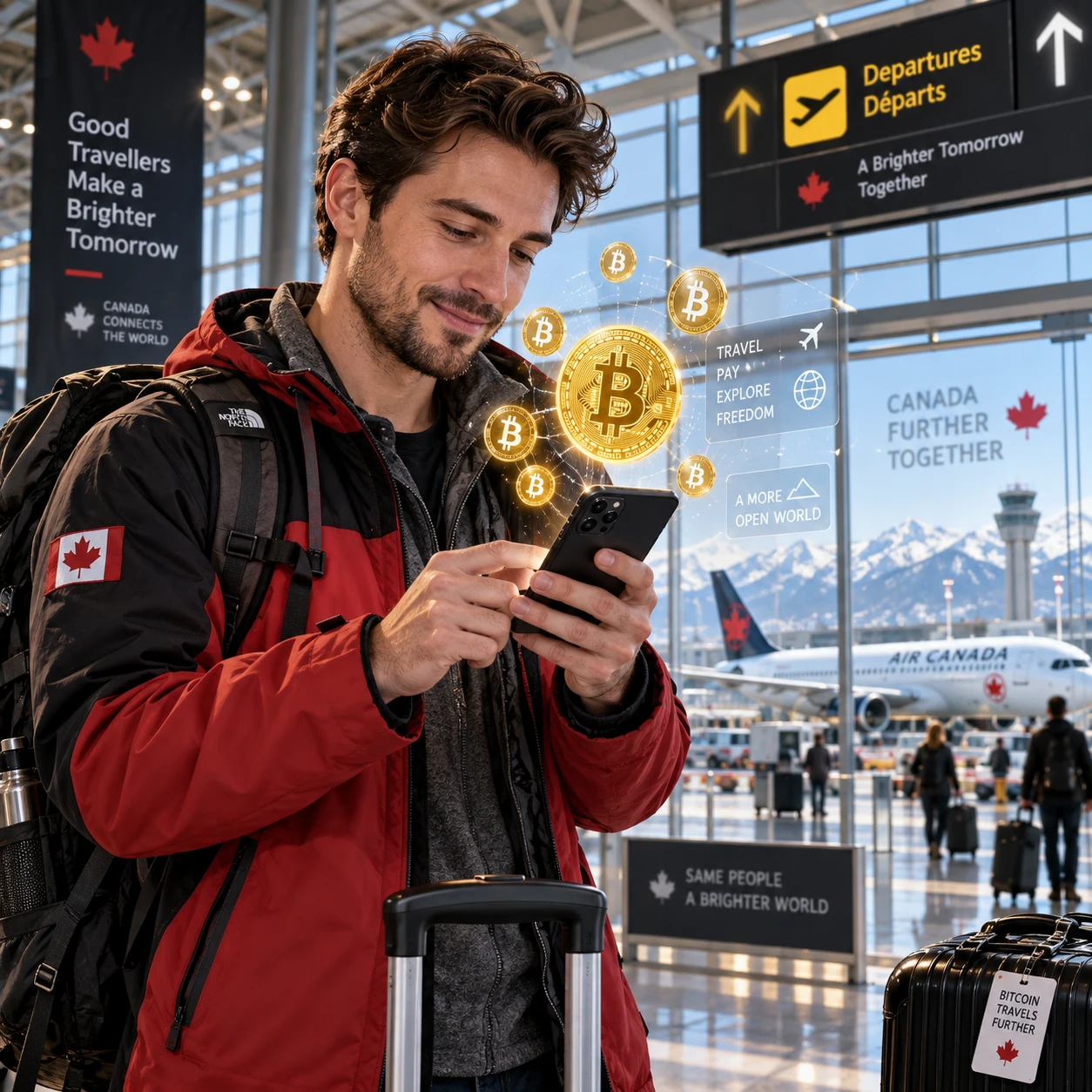
I've spent the last few months digging into how Canadian travelers are quietly rewriting the rules of trip-planning, and honestly, the pattern's pretty clear by now. Bitcoin isn't just a side conversation at dinner parties anymore — it's showing up at checkout counters for flights, tours, even late-night entertainment while you're abroad. Walk through any major Canadian airport this year and you'll notice something different right away. Travel apps now flash crypto payment icons right next to Visa and Mastercard logos, like it's nothing special.
Tour operators from Nova Scotia to the Rockies are listing Bitcoin as an accepted currency. And a growing number of Canadians are mixing their vacation budgets with digital assets — partly out of convenience, partly out of necessity, given how volatile traditional currency conversions have become lately.
This guide is my attempt to walk you through exactly how this works in practice. From booking a flight with Bitcoin to paying for a guided tour, and yes, even how some travelers are weaving a bit of digital entertainment into their downtime.
Why Canadians Are Turning to Bitcoin for Travel in 2026
The shift didn't happen overnight. But a few forces pushed it along, and they're worth naming. Foreign transaction fees on traditional credit cards have crept up again this year, often sitting between 2.5% and 3.5% per purchase. For a family booking flights, hotels, and tours for a two-week trip, that adds up fast — faster than most people expect, actually. Bitcoin transactions, by contrast, often settle with lower fees and none of the currency conversion markup banks love tacking on.
There's also the exchange rate headache. The Canadian dollar has bounced around enough against the US dollar and Euro that some travelers would rather lock in value through crypto than guess where CAD will sit on departure day. Add the appeal of near-instant cross-border settlement — no waiting three business days for an international wire — and you start to see why more Canadians are experimenting with this payment method for travel.
The Rise of Crypto-Friendly Travel Platforms
What's really accelerated adoption is infrastructure, plain and simple. Online travel agencies and booking engines operating in Canada have integrated crypto payment gateways directly into their checkout systems. This isn't some obscure workaround anymore — it's a built-in option, often processed through third-party processors that convert Bitcoin to fiat instantly on the merchant's end. That reduces risk for the business while giving travelers flexibility on their end too.
I've noticed even smaller, regional booking platforms catering to Canadian travelers have jumped on this trend. Partly to stay competitive with the bigger international players. Partly because customer demand simply grew loud enough to justify the integration cost.
Booking Flights with Bitcoin — A Step-by-Step Overview
If you're new to this, the process is more straightforward than you'd expect. Here's roughly how it goes:
- Choose a flight booking platform or travel agency that explicitly lists Bitcoin as a payment option at checkout.
- Convert your Canadian dollars to Bitcoin through a regulated Canadian exchange — make sure it's one registered with FINTRAC for added peace of mind.
- Transfer the BTC to your personal wallet, double-checking the wallet address before confirming anything.
- At checkout, select the Bitcoin payment method, scan the QR code or paste the wallet address provided, and confirm the transaction.
- Wait for network confirmation — usually a matter of minutes depending on network congestion and the fee you've set.
It sounds technical the first time through. But after one or two bookings it becomes second nature — kind of like how online banking felt intimidating back in the early 2000s and now feels completely routine, something you barely think about.
Popular Airlines and Aggregators Accepting Bitcoin
Without naming specific brands, I can say several flight aggregators serving the Canadian market now support crypto payments through third-party processors. Some low-cost carriers and charter services have also started accepting Bitcoin directly for domestic and transborder routes. Larger international carriers tend to work through travel marketplaces rather than taking crypto on their own websites — so if your preferred airline doesn't support it directly, check whether the booking platform you're using offers a crypto checkout option instead. Worth a quick look before you assume it's not possible.
Paying for Tours and Local Experiences with Crypto
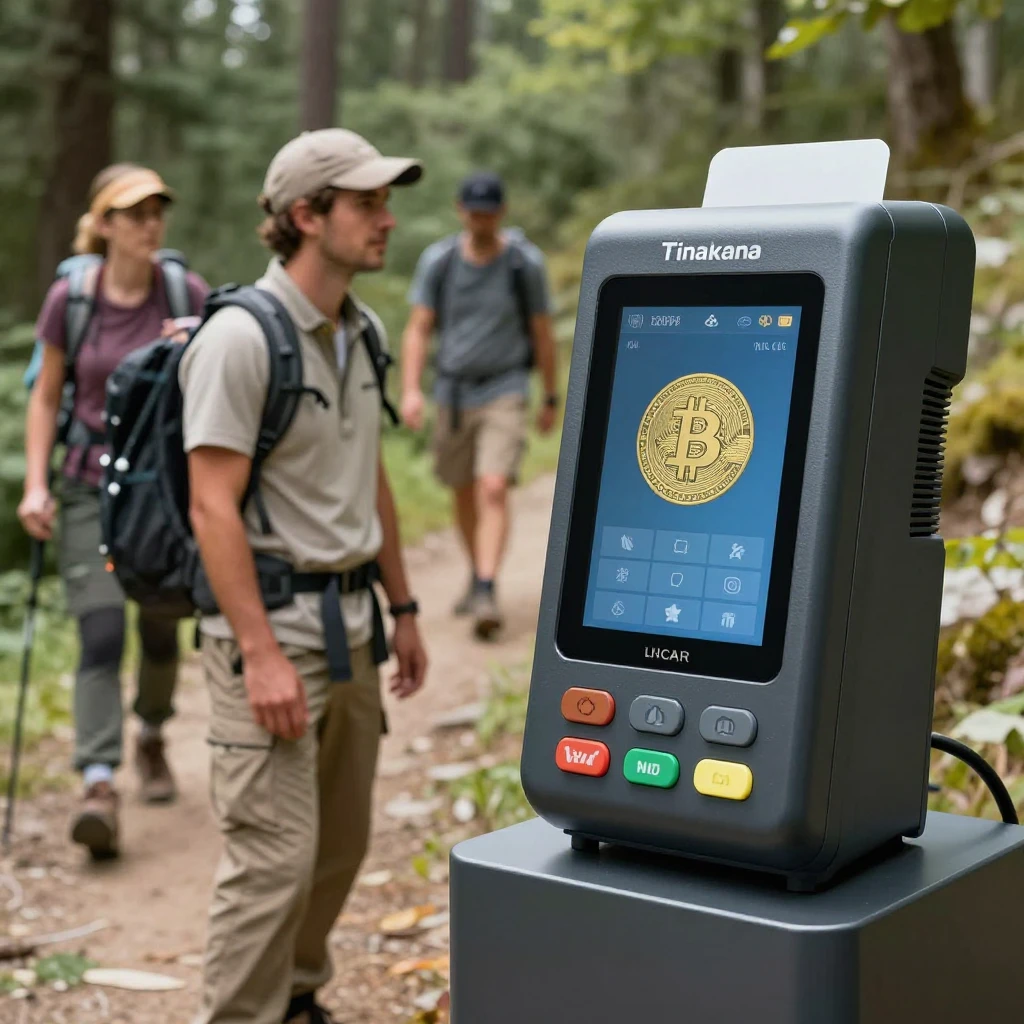
Flights are only half the equation. Once you've landed, tours and local experiences make up a big chunk of travel spending — and this is where Bitcoin adoption has genuinely surprised me. Boutique adventure companies, small guided tour operators, even some multi-day expedition outfits across Canada and popular international destinations for Canadian travelers now accept Bitcoin for bookings.
This covers everything from half-day hiking excursions to week-long guided packages through national parks or coastal regions. Operators often advertise this option directly on their booking pages. Sometimes offering a small discount for crypto payments, since it saves them the processing fees card networks typically charge.
Benefits for Small Tour Operators and Travelers
For small operators, the appeal is obvious: lower transaction costs, no chargebacks, and instant settlement means they don't sit around waiting days for funds to clear. For travelers, the benefit is speed and certainty — once the transaction confirms on the blockchain, the booking's locked in. No back-and-forth payment verification that sometimes delays confirmations with international card payments.
I've talked to a few independent tour guides who say switching to crypto payments cut their processing fees by more than half compared to traditional card terminals. That lets them pass savings back to customers, or just keep more of their own earnings. Either way, it's a real win for the smaller operators who can't absorb card fees the way bigger companies can.
Entertainment on the Go — Bitcoin Casinos as Part of the Travel Experience
Travel isn't only about flights and excursions. Downtime matters too, maybe more than people admit. A growing number of Canadian travelers are blending their vacation entertainment with crypto-based platforms, and online casinos are a big part of that trend. Whether you're relaxing after a day of sightseeing or just waiting out a layover, having access to a borderless, crypto-friendly entertainment option adds a layer of convenience that traditional gambling platforms often can't match — thanks to regional restrictions or currency conversion delays that still trip people up.
For travelers looking to combine their trip planning with curated leisure options, resources like a bitcoin casino show how travel and crypto-based entertainment are increasingly intersecting for Canadian explorers. It's a practical example of how digital assets aren't just for flights and hotels anymore — they're woven into the broader travel lifestyle, from booking to relaxing at the end of a long day.
Safety and Security Tips for Crypto Travel Payments
Using Bitcoin for travel comes with real advantages. But it also demands a bit more caution than swiping a credit card — no bank's calling you about suspicious activity here. A few habits I'd recommend before you even leave home:
- Use a reputable, well-reviewed wallet with strong encryption and backup recovery options.
- Enable two-factor authentication on every exchange and wallet account tied to your travel funds.
- Verify that any merchant or booking platform claiming to accept Bitcoin is legitimate — check reviews and confirm their payment processor is recognized.
- Always keep a backup payment method, like a credit card or some cash, in case of network delays or technical issues.
Avoiding Common Pitfalls
The most common mistake I've seen travelers make is rushing a transaction and sending funds to the wrong wallet address. And once confirmed, Bitcoin transactions can't be reversed — there's no customer service line to call. Double-check every character, or better yet, use QR codes whenever you can. Another pitfall is ignoring network fees during busy periods, which can delay confirmation right when you're in a time-sensitive booking situation. And finally, steer clear of unregulated or obscure exchanges promising instant conversions with no verification. If it feels too easy, it's worth a second look — that's usually a pattern worth paying attention to.
The Future of Bitcoin Travel in Canada
Looking ahead, I expect regulatory clarity to keep improving as Canadian financial authorities continue refining crypto guidelines for consumer protection. Major Canadian travel brands that have stayed cautious so far will likely start integrating crypto payments more visibly as customer demand keeps growing louder. Stablecoins are also entering the conversation, offering travelers a way to avoid Bitcoin's price swings while still enjoying the speed and low fees of blockchain payments. I'd expect more platforms to offer both options side by side within the next year or two — it just makes sense given where things are headed.
Conclusion
What strikes me most about this shift is how normal it's become. Bitcoin isn't a novelty payment method reserved for tech enthusiasts anymore. It's a practical tool Canadian travelers are using to book flights, pay for guided tours, and even unwind with online entertainment during their trips. As more platforms adapt and security practices mature, I think crypto's going to keep settling comfortably into the everyday rhythm of Canadian travel planning — right alongside the credit card and the trusty travel wallet, like it's always belonged there.