
Debt Consolidation in Canada 2026: Proven Strategies to Combine Multiple Debts into One Manageable Payment (Even with Bad Credit)
Debt Consolidation in Canada 2026: Proven Strategies to Combine Multiple Debts into One Manageable Payment (Even with Bad Credit)
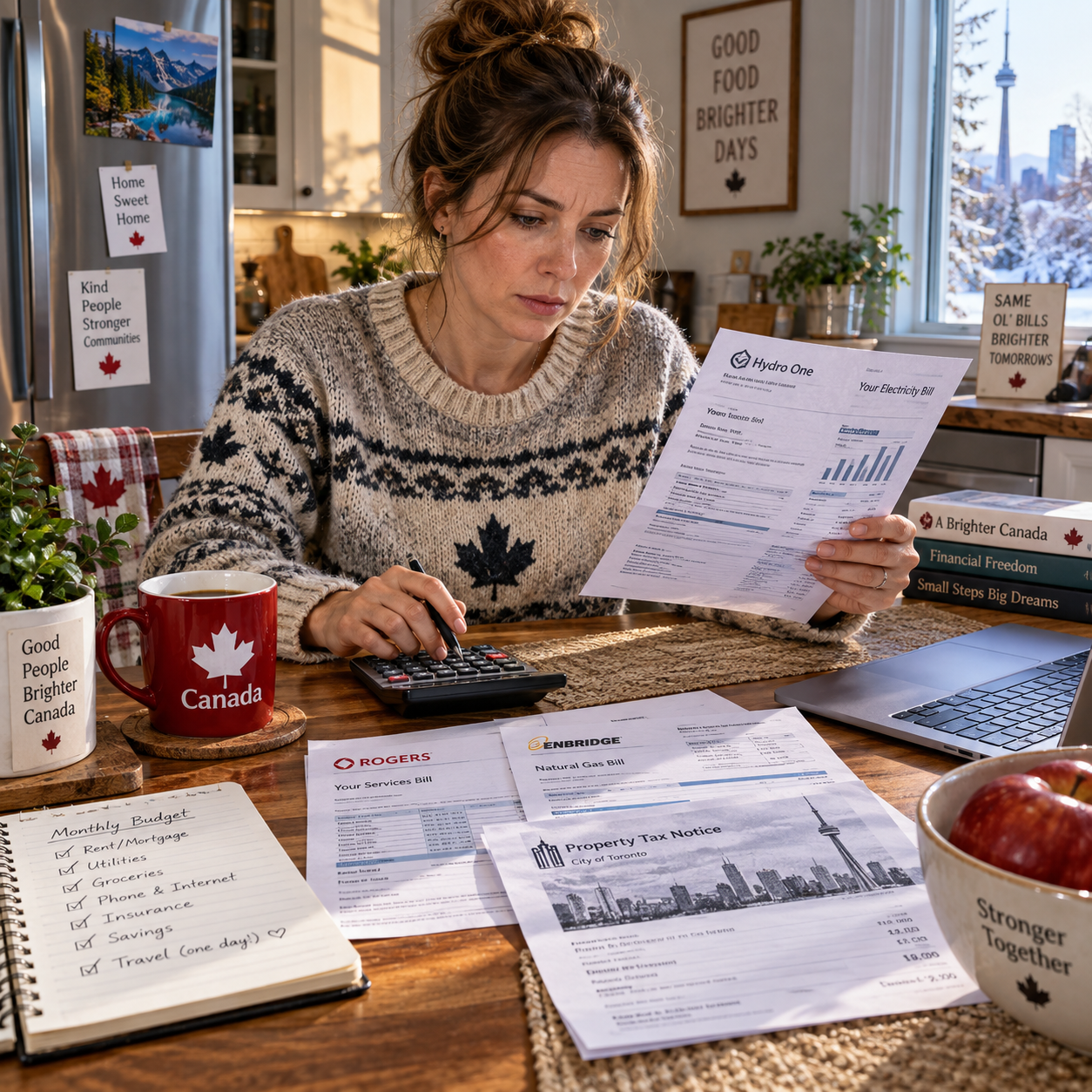
If you're juggling three credit cards, a personal loan, and maybe a payday loan you took out during a rough month, I get it — I've talked to enough people in this situation to know how exhausting it feels. Every payment date sneaks up on you, interest keeps piling on, and it feels like you're running on a treadmill that never stops. That's exactly why debt consolidation has become such a popular conversation topic among Canadians heading into 2026. With interest rates still elevated and everyday costs stretching household budgets thin, more people are looking for a way to simplify their financial life rather than just survive month to month.
At its core, debt consolidation means combining several debts — credit cards, lines of credit, payday loans — into a single new loan or credit product. Instead of tracking five due dates and five interest rates, you make one payment, often at a lower overall rate. It's not a magic eraser for debt, but when used correctly, it can be one of the most practical tools available to Canadian borrowers right now.
Common Types of Debt Canadians Consolidate
In my experience talking with readers and researching lender programs, the debts people most often roll into a consolidation plan include:
- Credit card balances carrying high double-digit interest rates
- Personal loans from multiple lenders
- Payday loans that were meant to be short-term but became recurring
- Unpaid utility bills or collection accounts
- Lines of credit that have crept up over time
Why Debt Consolidation Matters: Key Benefits for Canadian Borrowers
The appeal isn't just about convenience, though that matters a lot. When you consolidate, you're typically aiming for a lower interest rate than what you were paying across your combined debts — especially if you were carrying high-interest credit card balances. That alone can save hundreds or thousands of dollars over the life of the repayment period.
There's also a psychological benefit that doesn't get talked about enough. Managing one payment instead of five reduces the mental load significantly. I've heard from readers who said the simple act of consolidating gave them the clarity to actually stick to a budget for the first time in years. Beyond the emotional relief, consolidation can improve your credit utilization ratio over time, since paying off revolving credit card balances with an installment loan changes how credit bureaus view your available credit.
Debt Consolidation Options Available in Canada
Canadians have several paths to consolidate debt, and the right one depends heavily on your credit profile, income, and how much debt you're carrying.
- Debt consolidation loans from banks or credit unions — fixed-term loans used to pay off multiple debts at once
- Balance transfer credit cards — useful for smaller balances, often with a promotional 0% period
- Home equity lines of credit (HELOC) — for homeowners with sufficient equity, typically offering lower rates
- Debt management plans or consumer proposals — arranged through a licensed credit counsellor or Licensed Insolvency Trustee (LIT), often for those with significant unsecured debt
Secured vs. Unsecured Consolidation Loans
Secured loans require collateral — your vehicle, home equity, or another asset — and generally come with lower interest rates because the lender has less risk. Unsecured loans don't require collateral, but they tend to carry higher rates and stricter approval requirements. If your credit score isn't great, a secured option might be the more realistic route, though it does mean putting an asset on the line if payments are missed.
Can You Consolidate Debt with Bad Credit in Canada?
This is probably the question I get asked most often. The honest answer is yes, but your options narrow and the terms are usually less favorable. Traditional banks tend to be conservative with approvals when your credit score sits in the fair-to-poor range, but subprime lenders, some credit unions, and secured loan programs are designed specifically for this situation.
For borrowers exploring national options beyond Canadian lenders, resources like how to consolidate debt with a low credit score can offer additional context on how bad-credit consolidation loans are structured and what to expect from approval criteria. It's worth reviewing a few different sources before committing, since terms vary widely between lenders.
What Lenders Look for Beyond Your Credit Score
A low credit score doesn't automatically disqualify you. Lenders in Canada increasingly look at a fuller picture, including:
- Stable, verifiable income (employment letters, pay stubs, tax documents)
- Debt-to-income ratio — how much of your income already goes toward debt payments
- A co-signer with stronger credit, which can improve approval odds and interest rates
- Bank account history showing consistent cash flow, even without a stellar credit history
Step-by-Step: How to Consolidate Your Debt in Canada
Here's the process I'd recommend walking through methodically rather than rushing into the first offer you see:
- Add up every debt you owe — balances, interest rates, and minimum payments
- Pull your credit report from Equifax or TransUnion Canada to confirm your current score and check for errors
- Compare consolidation loan offers from at least three banks, credit unions, or online lenders
- Read the fine print on interest rates, fees, and repayment terms before applying
- Apply for the loan that offers the best combination of rate and manageable monthly payment
- Use the loan proceeds to pay off your existing creditors directly and immediately
- Close or freeze the paid-off credit accounts to avoid re-accumulating debt
Common Mistakes to Avoid When Consolidating Debt
I've seen well-intentioned consolidation plans fall apart because of a few recurring mistakes. The biggest one? Taking on new credit card debt right after consolidating, essentially doubling the problem. Others include choosing a loan with hidden origination fees or steep prepayment penalties, not reading whether the interest rate is fixed or variable, and treating consolidation as a fix rather than pairing it with a real change in spending habits.
Consolidation buys you breathing room and often saves money on interest — but it won't fix the underlying reasons debt built up in the first place. Pairing it with a realistic budget makes a genuine difference long-term.
Frequently Asked Questions About Debt Consolidation in Canada
Does debt consolidation hurt my credit score?
There's often a small, temporary dip from the credit inquiry and new account, but responsible repayment typically improves your score over several months as your credit utilization drops.
Is debt consolidation the same as a consumer proposal?
No. A consolidation loan is a new debt product you repay in full, while a consumer proposal is a legal process, filed through a Licensed Insolvency Trustee, that reduces the total amount you owe.
Can I consolidate debt without a bank account?
It's difficult, since most lenders require an account for deposits and automatic payments. Some credit unions offer alternatives, but a basic bank account is usually necessary.
How long does debt consolidation take to improve my finances?
Most people notice reduced financial stress within the first few months, but meaningful credit score improvement and debt reduction usually take twelve to twenty-four months of consistent payments.